How to select an ERP solution for your organisation?

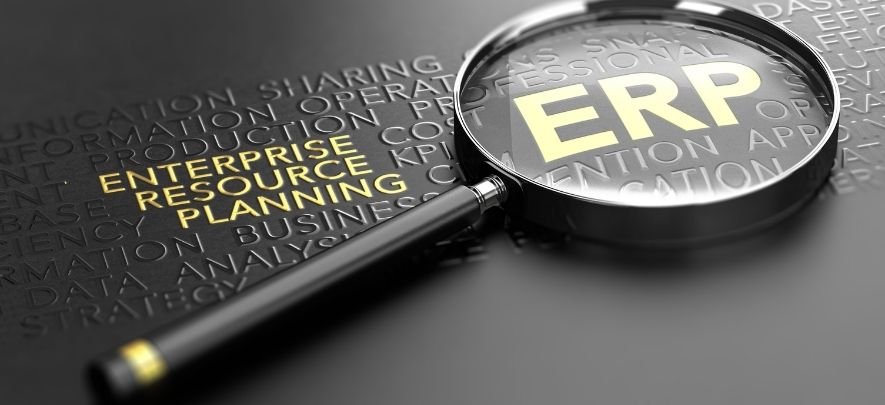
There are many organisations that are looking to buy software like ERP (Enterprise Resource Planning) or CRM (Customer Relationship Management) solutions. It is only two or three times that an SME will make this decision in an organisation’s life cycle. Indeed, there is little expertise on how to select the ideal software solution for your organisation. I have met more than 250 business owners across industries and interviewed them about the software they require. Following is a recommended process to follow before buying a software solution.
ERP software selection process involves these steps
-
Identify what is your current IT landscape.
-
Justify that you really need to invite a new software.
-
Analyse impact, with or without a new solution.
-
Do you know MOORA method?
-
What criterion have you defined to select software solution?
-
Do you have a consultant to guide you through process identification?
-
Identify your budget.
-
Justify your budget.
- Identify a good vendor with the ability to offer end-to-end support and other software too.
Step 1: Identify what is your current IT landscape
- List down what you have in hardware and software
- The list helps you to brainstorm with your consultant and software vendor to identify if you really need added software or current licenses that can help solve the problem
- There is much software that is available free of cost and there may be no need to spend extra money
- Are you buying software? (multiple software, different vendors)
- Are you adopting a technology and building ecosystem? (single platform)
Step 2: Justify that you really need to invite a new software
- Why you need a new software solution?
- Is your current IT infrastructure not supporting you?
- Why your current IT infrastructure is not able to support?
- Identify and list out problems if you do not buy new software will it have an impact on your business if yes quantify it
- You can never justify new software if you don’t quantify ‘negative’ impact on your business because of current IT infrastructure
- 80% of organisation fail to identify the above and hence resulted in problems like resistance in change management, failure of ERP implementation, post-implementation frequent change requests
Step 3: Analyse impact
Impact analysis must be only considering ‘mapping business process’ and effect/affect on ‘revenue’ generation
- There are three cases
- Without change / with old infrastructure
- With adopting new infrastructure
- Upgrading existing/current IT infrastructure
Step 4: Do you know MOORA method?
- Multi Dimension Decision Making Criterion (MDDC), Mathematic process to ensure that you get correct software and vendor
- MOORA = Multi Objective Optimization Ratio Analysis
- MOORA method explains most important part of IT infrastructure building; Software and Vendors
- There are 3 Determinants, 7 Dimensions 22 Criterion to select a software
Step 5: What criterion you have defined to select a software solution?
- There are 22 criteria identified for you to cover all aspect of the selection of software
- Dimension to select a software solution
- System cost
- Vendor support
- Flexibility
- Functionally
- Reliability
- Ease of Use
- Technology Advantage
Step 6: Do you have a consultant to guide you through process identification?
- Do you need, integrated but different software applications?
- Do you need a single platform where all software applications are available?
- Do you need a cloud or on-premises solution
- Do you need hybrid solutions (CRM on cloud and ERP on-premises)
- Web / mobile app integrations
- You must have a third-party consultant to guide you through, even if you are buying a small software take a paid and professional advice, this will save money for long-term
Step 7: Identify your budget
- Identify your budget with a consultant only
- Consultant are well aware of software and the current rate
- You must identify the budget before you float inquiry
- Enquiry without purpose, need & budget is all together time waste for you and for the vendor too
- MOORA method helps you to identify the purpose and budget
- If you are trying to get the rate from vendors without identity what you need, then you will get confused as salesperson will convince you that their solution is the correct one
Step 8: Justify your budget
- Once your consultant suggested the budget
- Justify the budget
- Identify impact
- Consult with your internal team to know how good it would be to work with a new system/solution
- Identify the ROI as the software is an investment and it must help to cut cost, improve the process, increase productivity, ease of work, and saving time
Step 9: Identify a good vendor with ability to offer end-to-end support
- 90% of organisations end up asking vendors, ‘Which software is suitable for our organisation’s needs?’
- Indeed, companies are not able to answer questions like
- What is your budget
- Why you need software
- What is your objective to buy software?
- What impact you are looking forward to on your current system
- What is the timeline to onboard a new solution?
- What is your IT landscape?
- What technology platform you use or would like to use in future
Hope this process gives you greater clarity on steps to follow to select the ideal ERP solution for your organisation.
Also read: Small is beautiful: Investing in ERP - making ‘small’ even more beautiful
To explore business opportunities, link with me by clicking on the 'Connect' button on my eBiz Card.
Image source: shutterstock.com
Disclaimer: The views and opinions expressed in this article are those of the author and do not necessarily reflect the views, official policy or position of GlobalLinker
India is the next happening place in the world. Companies needs to grow and get the best product to their customers. You have to deliver the best customers experience to your clients and that is what, exactly I shall help you to do. Reach out to me on rahul.vijayamgmt@gmail.com / 9313759067 www.bookmyimports.com