Our Products
Latest
Name (A-Z)
Name (Z-A)
Showing 1-20 of 20 products

Rice Grain
Rice grain is a staple food with various varieties like white, brown, and basmati, each offering unique flavors and nutrients. Rich in carbohydrates, it provides essential vitamins and minerals. Cultivated under specific conditions, its quality depends on harvesting methods. Rice is versatile in cooking, forming the base for many dishes worldwide. Proper storage is crucial to prevent spoilage. By-products like bran and husk are used in animal feed and other industries.
Price on Request
1 KG
MOQ
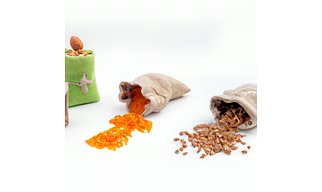
Barley Grain
Barley grain is a versatile cereal used in food, beverages, and animal feed. Rich in fiber, vitamins, and minerals, it offers health benefits. Key in brewing beer and distilling whiskey, barley adapts to various climates. It's used in soups, stews, and health foods. Proper harvesting and storage maintain its quality. By-products like malt and bran are valuable in the food and beverage industry.
Price on Request
1 KG
MOQ
Oats Grain
Oats grain is a nutritious cereal rich in soluble fiber, aiding in cholesterol reduction. Consumed as oatmeal and used in baking, oats offer essential nutrients and antioxidants. Cultivated under specific conditions, proper processing preserves their value. Oats are versatile, serving in animal feed and cosmetics. Proper storage prevents rancidity, ensuring quality.
Price on Request
1 KG
MOQ
Rye Grain
Rye grain is a nutritious cereal with a distinctive flavor, rich in fiber, vitamins, and minerals. Commonly used in traditional European breads, it supports heart health and digestion. Suited to cooler climates and poor soils, rye is resilient. It's also used in brewing and distilling. Proper harvesting and storage maintain quality. By-products like bran serve in animal feed and health foods.
Price on Request
1 KG
MOQ
Sorghum Grain
Sorghum grain is a versatile, drought-resistant cereal used in food, animal feed, and biofuel production. Rich in nutrients and antioxidants, it adapts to arid regions, serving as a staple globally. Used in traditional dishes, brewing, and gluten-free baking, sorghum requires proper harvesting and storage to maintain quality. Its by-products are valuable in food and industrial sectors.
Price on Request
1 KG
MOQ
Millet Grain
Millet grain comprises small-seeded cereals rich in nutrients, supporting heart health and digestion. Consumed as food and used in animal feed, millets offer a gluten-free baking alternative. Adaptable to arid regions, they contribute to food security. Used in traditional dishes and health foods, millets require proper harvesting and storage to maintain quality. Their by-products serve in food and industrial sectors.
Price on Request
1 KG
MOQ
Pulses
Pulses, including lentils, chickpeas, and beans, are nutrient-rich seeds consumed globally in diverse dishes. High in proteins and fiber, they support a balanced diet. Cultivation enhances soil fertility, benefiting agriculture. Used in animal feed and food processing, pulses require proper harvesting and storage to maintain quality. Their by-products serve in food and industrial sectors.
Price on Request
1 KG
MOQ
Oil Seeds
Oil seeds like mustard, sesame, and sunflower are grown for edible oil extraction. Rich in healthy fats and proteins, they offer health benefits. Used in cooking and health products, their cultivation needs specific conditions. By-products serve in animal feed and fertilizers. Proper harvesting and storage ensure quality and prevent spoilage.
Price on Request
1 KG
MOQ
Maize Grain
Maize grain, or corn, is a versatile cereal crop consumed directly and processed into various products. Rich in carbohydrates, it serves as a significant energy source. Adaptable to different climates, maize is globally prevalent. Its uses extend to animal feed and industrial applications like biofuel production. Proper harvesting and storage are crucial to maintain quality. By-products like corn oil and starch play vital roles in food and manufacturing industries.
Price on Request
1 KG
MOQ
Wheat Grain
Wheat grain is a versatile and nutritious staple food, essential in various culinary applications. It is rich in carbohydrates and proteins, supporting a balanced diet. Cultivated under specific conditions, its quality depends on factors like soil and harvesting methods. Proper storage is vital to prevent spoilage. Processed into flour, wheat is fundamental in baking and cooking, while its husk serves as animal feed, highlighting its agricultural significance.
Price on Request
1 KG
MOQ
Wheat Grain
Wheat grain is a versatile and nutritious staple food, essential in various culinary applications. It is rich in carbohydrates and proteins, supporting a balanced diet. Cultivated under specific conditions, its quality depends on factors like soil and harvesting methods. Proper storage is vital to prevent spoilage. Processed into flour, wheat is fundamental in baking and cooking, while its husk serves as animal feed, highlighting its agricultural significance.
Price on Request
1 KG
MOQ
Rice Grain
Rice grain is a staple food with various varieties like white, brown, and basmati, each offering unique flavors and nutrients. Rich in carbohydrates, it provides essential vitamins and minerals. Cultivated under specific conditions, its quality depends on harvesting methods. Rice is versatile in cooking, forming the base for many dishes worldwide. Proper storage is crucial to prevent spoilage. By-products like bran and husk are used in animal feed and other industries.
Price on Request
1 KG
MOQ
Barley Grain
Barley grain is a versatile cereal used in food, beverages, and animal feed. Rich in fiber, vitamins, and minerals, it offers health benefits. Key in brewing beer and distilling whiskey, barley adapts to various climates. It's used in soups, stews, and health foods. Proper harvesting and storage maintain its quality. By-products like malt and bran are valuable in the food and beverage industry.
Price on Request
1 KG
MOQ
Oats Grain
Oats grain is a nutritious cereal rich in soluble fiber, aiding in cholesterol reduction. Consumed as oatmeal and used in baking, oats offer essential nutrients and antioxidants. Cultivated under specific conditions, proper processing preserves their value. Oats are versatile, serving in animal feed and cosmetics. Proper storage prevents rancidity, ensuring quality.
Price on Request
1 KG
MOQ
Rye Grain
Rye grain is a nutritious cereal with a distinctive flavor, rich in fiber, vitamins, and minerals. Commonly used in traditional European breads, it supports heart health and digestion. Suited to cooler climates and poor soils, rye is resilient. It's also used in brewing and distilling. Proper harvesting and storage maintain quality. By-products like bran serve in animal feed and health foods.
Price on Request
1 KG
MOQ
Sorghum Grain
Sorghum grain is a versatile, drought-resistant cereal used in food, animal feed, and biofuel production. Rich in nutrients and antioxidants, it adapts to arid regions, serving as a staple globally. Used in traditional dishes, brewing, and gluten-free baking, sorghum requires proper harvesting and storage to maintain quality. Its by-products are valuable in food and industrial sectors.
Price on Request
1 KG
MOQ
Millet Grain
Millet grain comprises small-seeded cereals rich in nutrients, supporting heart health and digestion. Consumed as food and used in animal feed, millets offer a gluten-free baking alternative. Adaptable to arid regions, they contribute to food security. Used in traditional dishes and health foods, millets require proper harvesting and storage to maintain quality. Their by-products serve in food and industrial sectors.
Price on Request
1 KG
MOQ
Pulses
Pulses, including lentils, chickpeas, and beans, are nutrient-rich seeds consumed globally in diverse dishes. High in proteins and fiber, they support a balanced diet. Cultivation enhances soil fertility, benefiting agriculture. Used in animal feed and food processing, pulses require proper harvesting and storage to maintain quality. Their by-products serve in food and industrial sectors.
Price on Request
1 KG
MOQ
Oil Seeds
Oil seeds like mustard, sesame, and sunflower are grown for edible oil extraction. Rich in healthy fats and proteins, they offer health benefits. Used in cooking and health products, their cultivation needs specific conditions. By-products serve in animal feed and fertilizers. Proper harvesting and storage ensure quality and prevent spoilage.
Price on Request
1 KG
MOQ
Maize Grain
Maize grain, or corn, is a versatile cereal crop consumed directly and processed into various products. Rich in carbohydrates, it serves as a significant energy source. Adaptable to different climates, maize is globally prevalent. Its uses extend to animal feed and industrial applications like biofuel production. Proper harvesting and storage are crucial to maintain quality. By-products like corn oil and starch play vital roles in food and manufacturing industries.
Price on Request
1 KG
MOQ
 GL Trustmark