 FIEO Registered
Our Products
Latest
Name (A-Z)
Name (Z-A)
Showing 1-8 of 8 products
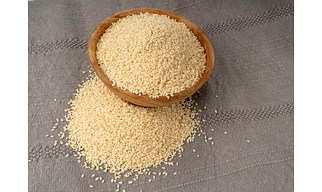
Sesame Seeds
Sesame seeds are nutrient-dense seeds known for their nutty flavor and versatility in culinary applications. They are rich in healthy fats, protein, and essential minerals, contributing to various health benefits such as improved heart health and reduced inflammation. Commonly used in dishes like tahini, salads, and baked goods, sesame seeds can be consumed raw or toasted, adding both flavor and nutrition to meals.
Price on Request
1 Kilogram
MOQ
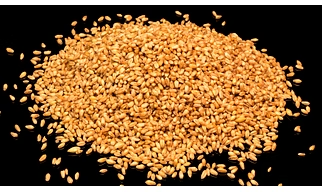
Wheat Grains
Wheat grains are essential cereal grains used worldwide in various culinary applications. They are a rich source of carbohydrates, protein, and dietary fiber, contributing to energy provision and digestive health. Processed into flour or consumed whole, wheat grains are fundamental in products like bread, pasta, and cereals, offering nutritional benefits and versatility in cooking.
Price on Request
10 Kilogram
MOQ
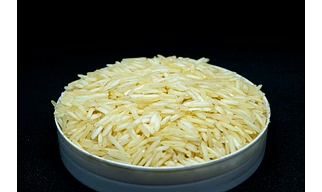
Basmati Rice
Basmati rice is a fragrant, long-grain rice variety cherished for its delicate flavor and fluffy texture. Widely used in Indian and Middle Eastern cuisines, it serves as a base for dishes like biryani and pilaf. Nutritionally, basmati rice is low in fat, gluten-free, and provides essential nutrients, making it a healthy choice for various diets.
Price on Request
10 Metric Tons
MOQ
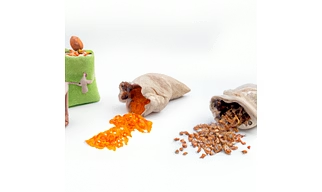
Non-Basmati Rice
Non-basmati rice encompasses a range of rice varieties differing in grain size and texture, commonly used in diverse culinary traditions. It serves as a primary energy source due to its carbohydrate content and is versatile in cooking, suitable for dishes like porridges and desserts. The texture upon cooking varies by type, catering to various recipe requirements.
Price on Request
1 KG
MOQ

Groundnut Kernels
Groundnut kernels, or peanuts, are nutrient-rich seeds offering a good source of protein and healthy fats. Versatile in culinary uses, they can be enjoyed raw, roasted, or processed into products like peanut butter and oils. Their consumption is associated with various health benefits, including improved heart health and antioxidant properties.
Price on Request
1 KG
MOQ
Soybean Seeds
Soybean seeds are highly valued for their rich protein and oil content, serving as a key ingredient in numerous food products like tofu and soy milk. They provide essential amino acids and beneficial compounds that may support heart and bone health. Versatile in use, soybeans are integral to both human diets and animal feed.
Price on Request
1 KG
MOQ

Turmeric Powder
Turmeric powder is a widely used spice known for its earthy flavor and vibrant yellow color, integral to many Asian dishes. Rich in curcumin, it offers anti-inflammatory and antioxidant benefits, contributing to joint health and immune support. Its culinary applications range from curries to soups, enhancing both taste and nutritional value.
Price on Request
1 Ton
MOQ

Cumin Seeds
Cumin seeds are aromatic spices known for their warm, earthy flavor, commonly used in global cuisines to enhance the taste of various dishes. They are rich in iron and possess compounds that support digestion and may help in managing blood sugar levels. Used whole or ground, cumin seeds are integral to spice blends and add depth to curries, soups, and stews.
Price on Request
1 Ton
MOQ
 GL Trustmark