Our Products
Latest
Name (A-Z)
Name (Z-A)
Showing 1-11 of 11 products
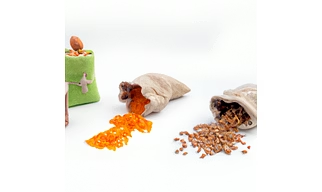
Wheat Grains
Wheat grains are versatile and nutritious, serving as a fundamental ingredient in numerous food products. They are processed into flour for baking bread, making pasta, and producing cereals. Rich in carbohydrates and essential nutrients, wheat grains are a dietary staple globally. Their quality is determined by protein content, moisture levels, and kernel hardness. Proper storage conditions are essential to preserve their quality and prevent spoilage.
Price on Request
1 KG
MOQ

Maize Grains
Maize grains, or corn, are a versatile cereal crop used in human food, animal feed, and industrial applications. Processed into products like cornmeal and ethanol, maize is rich in carbohydrates, dietary fiber, vitamins, and minerals. Quality assessment considers kernel size, moisture content, and purity. Proper harvesting and storage are crucial to prevent contamination and preserve quality.
Price on Request
1 KG
MOQ
Barley Grains
Barley grains serve multiple purposes, including food production, brewing, and animal feed. They are processed into malt for beer, flour for baking, and pearl barley for culinary uses. Rich in dietary fiber and nutrients, barley offers health benefits. Quality assessment focuses on kernel plumpness, moisture levels, and purity. Adequate storage is necessary to preserve quality and prevent deterioration.
Price on Request
1 KG
MOQ
Sorghum Grains
Sorghum grains are versatile and resilient, utilized in food products, animal feed, and biofuel. Gluten-free and nutrient-rich, they are processed into flour, syrup, and beverages. Quality considerations include grain size, color, and moisture levels. Effective harvesting and storage are essential to preserve quality and prevent pest-related issues.
Price on Request
1 KG
MOQ
Millet Grains
Millet grains are nutritious and adaptable, used in various food products like flour, porridge, and beverages. They provide carbohydrates, proteins, fiber, and minerals. Quality assessment considers grain size, color, and moisture levels. Proper storage conditions are crucial to prevent spoilage and maintain quality.
Price on Request
1 KG
MOQ

Rice Grains
Rice grains are a fundamental dietary component globally, offering carbohydrates and essential nutrients. Processed into forms like white, brown, and parboiled rice, their quality is assessed based on grain length, moisture levels, and purity. Effective harvesting and storage are crucial to preserve quality and prevent contamination.
Price on Request
1 KG
MOQ
Pulses
Pulses, such as lentils, chickpeas, and beans, are nutrient-dense legumes used in diverse culinary dishes. They provide proteins, fiber, vitamins, and minerals. Quality considerations include size, color, and moisture levels. Adequate storage conditions are necessary to preserve quality and prevent pest-related issues.
Price on Request
1 KG
MOQ
Soybean Seeds
Soybean seeds are versatile, providing protein and oil for food products, animal feed, and industrial uses. Processed into items like tofu and soy milk, they also contribute to biodiesel production. Quality assessment focuses on protein and oil content, as well as moisture levels. Effective harvesting and storage are essential to preserve quality and prevent deterioration.
Price on Request
1 KG
MOQ
Mustard Seeds
Mustard seeds are flavorful spices used in condiments, pickling, and seasoning. Rich in oil, they offer a pungent taste. Quality considerations include size, color, and oil content. Adequate storage conditions are necessary to preserve quality and prevent spoilage.
Price on Request
1 KG
MOQ
Groundnut Kernels
Groundnut kernels, or peanuts, are nutritious seeds used in diverse food products and oil production. They provide proteins, healthy fats, and essential nutrients. Consumed in various forms, their quality is assessed based on size, moisture levels, and purity. Effective harvesting and storage are essential to preserve quality and prevent contamination.
Price on Request
1 KG
MOQ


 GL Trustmark