
Our Products
Latest
Name (A-Z)
Name (Z-A)
Showing 1-10 of 10 products
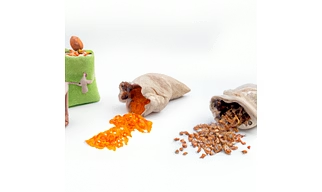
Basmati Rice
Basmati rice is a long-grain variety known for its aromatic fragrance and fluffy texture. Predominantly grown in the Indian subcontinent, it is ideal for dishes like biryani and pilaf. The grains elongate upon cooking, providing a light consistency. Its unique flavor and aroma make it suitable for both daily meals and special occasions. Nutritionally, basmati rice is rich in carbohydrates, offering a good energy source, and is low in fat, contributing to a healthy diet.
Price on Request
1 KG
MOQ
Non-Basmati Rice
Non-basmati rice includes various rice types differing in size, shape, and texture. Lacking the distinct aroma of basmati, these grains are versatile and used in dishes like steamed rice, fried rice, and porridges. Cultivated across multiple regions, each variety offers unique flavors and textures. Their affordability and adaptability make them a staple in many households. Nutritionally, non-basmati rice provides essential carbohydrates, serving as a good energy source and contributing to a balanced diet.
Price on Request
1 KG
MOQ

Wheat
Wheat is a globally cultivated cereal grain serving as a staple food in many diets. It is the main ingredient in products like bread, pasta, and pastries. Milled into flour, wheat forms the basis for numerous baked goods. Nutritionally, it is rich in carbohydrates, offering a significant energy source, and provides dietary fiber, proteins, and essential vitamins and minerals. Its versatility and nutritional value underscore its importance in global nutrition.
Price on Request
1 KG
MOQ
Sorghum
Sorghum is a resilient cereal grain used as a staple food in various regions, appearing in products like porridge and bread. It also serves as animal feed and is used in biofuel production. Rich in carbohydrates, sorghum offers a substantial energy source and provides dietary fiber, proteins, and essential minerals. Its adaptability to harsh climates and nutritional value contribute to its global significance.
Price on Request
1 KG
MOQ
Barley
Barley is an adaptable cereal grain used in foods like soups and bread, and in malted beverages such as beer. It also serves as animal feed and is valued in health foods for its high fiber content. Providing carbohydrates for energy, dietary fiber for digestion, and essential nutrients, barley's versatility and health benefits make it a significant grain in various diets.
Price on Request
1 KG
MOQ

Soybean
Soybean is a protein-rich legume used in foods like tofu and soy milk, and in animal feed and industrial products. Offering essential amino acids, healthy fats, vitamins, and minerals, soybeans' nutritional value and versatility make them vital in various diets and industries.
Price on Request
1 KG
MOQ

Groundnut
Groundnut, or peanut, is a legume consumed in forms like roasted nuts and peanut butter, and used in oil production and animal feed. Rich in proteins, healthy fats, and essential nutrients, groundnuts' versatility and nutritional value contribute to their global popularity.
Price on Request
1 KG
MOQ
Chickpeas
Chickpeas, or garbanzo beans, are legumes known for their nutty flavor and used in dishes like hummus and salads. Rich in proteins, dietary fiber, and essential nutrients, chickpeas' versatility and health benefits make them a staple in various cuisines globally.
Price on Request
1 KG
MOQ
Green Gram
Green gram, or mung bean, is a nutrient-rich legume used in dishes like soups and salads, and consumed as sprouts. Offering proteins, dietary fiber, and essential nutrients, green gram's adaptability and health benefits make it popular in various cuisines.
Price on Request
1 KG
MOQ
Yellow Maize
Yellow maize, or corn, is a widely consumed cereal grain known for its bright yellow kernels. It serves as a staple food in various regions and is used in products like cornmeal and tortillas. Additionally, it plays a crucial role in animal feed and industrial applications. Nutritionally, yellow maize is rich in carbohydrates, offering a substantial energy source, and provides dietary fiber, vitamins, and minerals. Its versatility and nutritional benefits contribute to its global significance.
Price on Request
1 KG
MOQ


 GL Trustmark