 FIEO Registered
Our Products
Latest
Name (A-Z)
Name (Z-A)
Showing 1-8 of 8 products
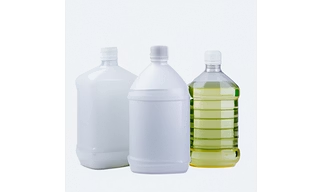
Industrial Lubricants
Industrial lubricants are vital for reducing friction and wear in machinery, enhancing efficiency and equipment lifespan. Available in oils, greases, and fluids, they cater to various applications like hydraulic systems and gearboxes. Selecting the right lubricant depends on operational factors and environmental conditions. High-quality lubricants resist oxidation and corrosion, leading to energy savings and lower maintenance costs. Regular monitoring and proper handling are essential for optimal performance. Advances have introduced eco-friendly options, supporting sustainability efforts. Proper storage and trained personnel ensure safety and compliance with industry standards.
Price on Request
1 unit
MOQ
Automotive Lubricants
Automotive lubricants are essential fluids that minimize friction and wear in vehicle engines and components, ensuring smooth operation and extended lifespan. They include engine oils, transmission fluids, brake fluids, and greases, each tailored to specific vehicle needs. Engine oils are classified by viscosity and performance standards to match various engine types and conditions. Quality lubricants improve fuel efficiency, reduce emissions, and maintain performance under extreme temperatures. Regular maintenance and oil changes prevent engine sludge and ensure cleanliness. Synthetic oils offer enhanced performance and longer service intervals. Selecting the right lubricant per manufacturer guidelines is vital for optimal vehicle function.
Price on Request
1 unit
MOQ
Specialty Lubricants
Specialty lubricants are tailored formulations designed for industrial applications requiring performance beyond standard lubricants. Engineered for extreme conditions like high temperatures and heavy loads, they include synthetic oils and greases used in sectors such as aerospace and food processing. These lubricants provide thermal stability, high load capacity, and resistance to oxidation and corrosion, ensuring equipment reliability and longevity. Their development involves rigorous testing for material compatibility and operational demands. Utilizing specialty lubricants enhances efficiency, extends maintenance intervals, and reduces costs. Proper selection and monitoring are vital for optimal performance and regulatory compliance.
Price on Request
1 unit
MOQ
Greases
Greases are semi-solid lubricants made from base oil and thickeners, providing durable lubrication for components like bearings and gears where liquid lubricants are ineffective. They adhere well, ensuring continuous lubrication under various forces and conditions. Formulated to resist high temperatures, moisture, and contaminants, greases are suitable for industrial and automotive uses. Choosing the right grease involves considering speed, load, and environmental exposure. Quality greases minimize friction, prevent corrosion, and extend equipment life. Specialized greases, including high-temperature and food-grade variants, cater to specific needs. Proper application and maintenance are essential for optimal performance and compliance.
Price on Request
1 unit
MOQ

Rust Preventive Oils
Rust preventive oils are lubricants that shield metal surfaces from corrosion during storage and use by forming a barrier against moisture and contaminants. Essential in industries with metal components exposed to harsh conditions, these oils come in solvent-based, oil-based, and water-displacing formulations. Solvent-based oils dry quickly with a thin film, oil-based provide thicker coatings for long-term protection, and water-displacing oils remove moisture before protecting. Choosing the right type depends on metal type, environment, protection duration, and removal ease. Proper application ensures uniform coverage, and regular inspections maintain effectiveness over time.
Price on Request
1 unit
MOQ

Hydraulic Oils
Hydraulic oils are essential fluids in hydraulic systems, facilitating power transmission, component lubrication, and heat dissipation. They ensure machinery operates efficiently by transferring force within the system. Formulated for optimal viscosity, thermal stability, and anti-wear properties, these oils reduce component wear and extend system life. Choosing the right hydraulic oil depends on operating conditions and equipment needs. Quality oils enhance energy efficiency and lower maintenance costs. Environmentally friendly, biodegradable options are now available. Regular maintenance, including monitoring and timely replacement, is crucial, as is proper handling and disposal to ensure safety and compliance.
Price on Request
1 unit
MOQ
Compressor Oils
Compressor oils are lubricants tailored for air compressors, ensuring efficient operation and equipment longevity by reducing friction, dissipating heat, sealing gaps, and preventing corrosion. Formulated to endure high temperatures and pressures, they resist oxidation and maintain viscosity over time. Choosing the right oil depends on compressor type, operating conditions, and manufacturer guidelines. Quality oils improve performance, lower energy use, and reduce maintenance by preventing wear. Synthetic options offer enhanced stability and longer service life. Regular maintenance, including oil analysis and timely changes, is crucial, as is proper handling and disposal for safety and environmental compliance.
Price on Request
1 unit
MOQ
Gear Oils
Gear oils are lubricants designed to protect and optimize gear systems in industrial and automotive settings by reducing friction, dissipating heat, and preventing corrosion. Engineered to endure extreme pressures, they ensure efficient power transmission. Available in various viscosities and formulations, including mineral and synthetic types, they cater to different gear designs and operating conditions. Selecting the right gear oil involves considering gear type, speed, load, and environment. Quality gear oils enhance system longevity and reliability, reducing maintenance costs. Advances have improved thermal stability and load capacity. Regular maintenance and proper handling are crucial for optimal performance and compliance.
Price on Request
1 unit
MOQ

 GL Trustmark