
Our Products
Latest
Name (A-Z)
Name (Z-A)
Showing 1-10 of 10 products

Basmati Rice
Basmati rice is a long-grain variety known for its fragrant aroma and delicate flavor. Grown primarily in the Indian subcontinent, it is a staple in many cuisines worldwide. The grains elongate significantly when cooked, resulting in a fluffy and non-sticky texture. Basmati rice is commonly used in dishes like biryani, pilaf, and as a side to various curries and stews. Its unique taste and aroma make it a preferred choice for special occasions and gourmet cooking. Additionally, it offers nutritional benefits as a good source of carbohydrates and essential nutrients.
Price on Request
1 KG
MOQ
Non-Basmati Rice
Non-basmati rice includes various rice grains that differ from basmati in size, shape, and texture. Widely consumed globally, it is versatile and used in numerous dishes like everyday meals, porridges, and desserts. Known for its affordability and availability, non-basmati rice is a staple in many households. Different varieties offer varying cooking properties, such as stickiness or fluffiness, to suit diverse culinary preferences. Additionally, it serves as a good energy source and provides essential nutrients.
Price on Request
1 KG
MOQ

Maize
Maize, also known as corn, is a cereal grain domesticated around 10,000 years ago in southern Mexico. It is a staple food globally and is integral to various culinary applications. Maize can be consumed as whole kernels, cornmeal, or corn flour, and is used in products like tortillas, cornbread, and popcorn. Beyond human consumption, maize serves as a major source of animal feed and is utilized in industrial products like biofuel. Nutritionally, it offers carbohydrates, fiber, and essential vitamins and minerals.
Price on Request
1 KG
MOQ
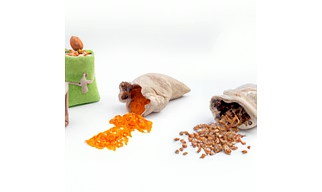
Barley
Barley is a versatile cereal grain known for its rich nutty flavor and chewy texture. As one of the oldest cultivated grains, it has been a dietary staple for millennia. Barley is frequently used in soups, stews, and salads, and plays a crucial role in producing malt for brewing beer and distilling whiskey. Nutritionally, it is high in fiber, especially beta-glucan, which aids in lowering cholesterol levels. Barley also supplies essential vitamins and minerals, contributing to a balanced diet.
Price on Request
1 KG
MOQ
Millet
Millet encompasses various small-seeded grasses cultivated globally as cereal crops for both human consumption and animal fodder. Rich in protein, fiber, and essential minerals such as magnesium and phosphorus, millets are highly nutritious. Being gluten-free with a low glycemic index, they are ideal for those with gluten intolerance or diabetes. Millets are utilized in numerous traditional dishes like porridge, flatbreads, and fermented drinks. Their resilience to harsh growing conditions makes them crucial for food security in arid regions.
Price on Request
1 KG
MOQ
Sorghum
Sorghum is a globally cultivated cereal grain, especially valued in arid regions for its drought resistance. It serves multiple purposes, including human consumption, animal feed, and alcohol production. Sorghum grains can be prepared whole, milled into flour for baking, or popped like popcorn. Nutritionally, it offers carbohydrates for energy, along with protein, fiber, and essential minerals. Being gluten-free, sorghum is an excellent alternative for those with gluten intolerance. Its versatility and health benefits have led to its increasing popularity in diverse cuisines.
Price on Request
1 KG
MOQ
Pulses
Pulses, including beans, lentils, and peas, are edible seeds from leguminous plants. They provide a substantial source of plant-based protein and are rich in dietary fiber, vitamins, and minerals. As a dietary staple globally, pulses are incorporated into various dishes like soups, stews, salads, and sides. Their health benefits include improved digestion, weight management support, and reduced risk of chronic diseases. Additionally, pulses are environmentally sustainable, possessing a low carbon footprint and enhancing soil health through nitrogen fixation.
Price on Request
1 KG
MOQ
Spices
Spices are aromatic plant-derived substances, such as seeds, bark, roots, and fruits, utilized to flavor, color, and preserve food. Integral to global culinary traditions, common spices include black pepper, cumin, turmeric, and cinnamon. Beyond culinary applications, spices are esteemed for their medicinal properties, often featured in traditional medicine. They possess bioactive compounds with antioxidant, anti-inflammatory, and antimicrobial effects. Including a diverse range of spices in the diet not only enhances flavor but also supports overall health.
Price on Request
1 KG
MOQ
Oil Seeds
Oil seeds, such as sunflower, sesame, and mustard seeds, are cultivated mainly for extracting edible oils. These oils are utilized in cooking, food preparation, and various industrial applications. Beyond oil production, oil seeds are consumed whole or as ingredients in diverse dishes, offering both flavor and nutritional advantages. They are abundant in healthy fats, protein, and essential nutrients like vitamin E and omega-3 fatty acids. Including oil seeds in the diet can promote heart health, supply energy, and enhance overall well-being.
Price on Request
1 KG
MOQ
Wheat Grains
Wheat grains are the seeds of the wheat plant, widely cultivated and consumed globally. They are the main ingredient in numerous food products like bread, pasta, and pastries. Rich in carbohydrates, wheat grains also provide essential nutrients such as fiber, vitamins, and minerals. They can be processed into various forms, including whole wheat flour and refined flour, each with unique nutritional profiles and culinary applications. Whole wheat grains are especially appreciated for their health benefits, such as aiding digestion and lowering the risk of certain chronic diseases.
Price on Request
1 KG
MOQ

 GL Trustmark