Top Tips for Choosing Leather Products That Reflect Your Brand Image

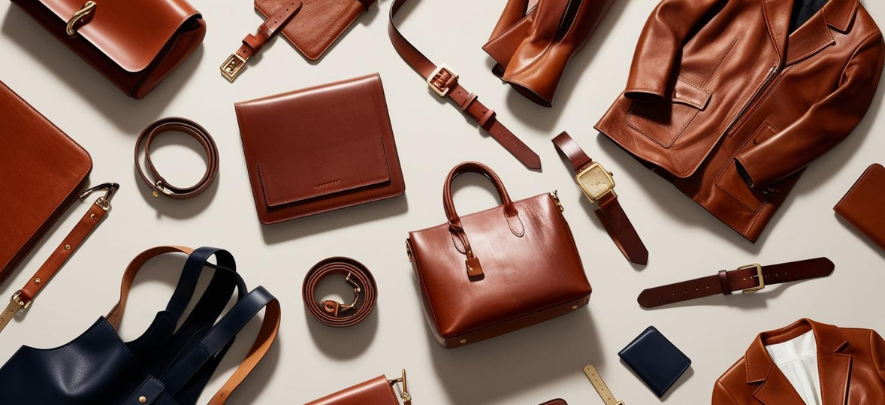
Leather products are a timeless symbol of style, luxury, and practicality. Whether you're launching a fashion line, building a corporate gifting brand, or adding accessories to your product portfolio, choosing the right leather products is crucial for brand identity and customer satisfaction. These leather products could include bags, wallets, belts, travel bags, handbags, laptop bags, or jackets.
Here’s a guide to help you make the right choices:
1. Understand Your Target Customer
Are you catering to young professionals, fashion-forward millennials, corporate clients, or luxury buyers? The audience determines product selection—minimalist wallets for professionals, premium handbags for luxury buyers, or rugged belts for men’s fashion.
2. Prioritize Product Categories That Sell
Start with high-demand products such as:
-
Leather Wallets: Compact, functional, and perfect for corporate gifting.
-
Leather Bags, Handbags and Laptop Bags: Great for daily use, work, or travel segments.
-
Belts: High-volume accessories for men’s fashion.
-
Jackets: Ideal for the fashion forward
3. Select Materials Based on Brand Positioning
Luxury brands should opt for full-grain or vegetable-tanned leather. For price-sensitive markets, split leather or PU-coated leather may suffice. If you target eco-conscious buyers, explore vegan or plant-based leather alternatives.
4. Emphasize Design and Functionality
Design matters as much as durability. Look for ergonomically designed, stylish, and practical pieces. Zipper quality, number of compartments, RFID protection, or laptop sleeves are small elements that enhance usability and sales potential.
5. Offer Customization and Branding
Personalization increases perceived value. Choose manufacturers who offer monogramming, color choices, or logo engraving. Branded leather products are especially appealing in the B2B and gifting sectors.
6. Balance Quality and Affordability
Ensure the products meet a certain quality benchmark while staying within your target retail price range. Evaluate stitching, lining material, hardware, and weight. A product that feels premium at a good price wins repeat customers.
7. Track Seasonal Trends
Leather jackets and boots sell well during winter; lighter products like belts and bags work year-round. Stay updated with global fashion and gifting trends to plan collections accordingly.
8. Partner with Verified Suppliers on GlobalLinker
Work with suppliers who understand your brand needs and offer flexible production, quality assurance, and logistics support. Find trusted suppliers for all kinds of leather products on GlobalLinker.
Conclusion
Selecting leather products for your business is both an art and a strategy. By aligning product choices with brand values, customer preferences, and market trends, you can build a profitable leather goods portfolio that resonates with modern buyers.
Image source: Canva
Disclaimer: The views and opinions expressed in this article are those of the author and do not necessarily reflect the views, official policy or position of GlobalLinker.
My endeavour is to help business owners digitise, network and grow easily. Towards this I help organise webinars, curate articles and answer queries via our help centre.